


Should you paint your home yourself or hire a contractor? Here is a real couple’s story, full cost comparison, pros and cons, FAQs, and expert tips for their 2026 DIY painting project.
Let me introduce you to Jake and Maria. They just bought their first home — a 1990s colonial in the suburbs with oak trim, popcorn ceilings, and walls painted the most aggressively beige color either of them had ever seen.
They were pumped. New home, new life, new colors. But the very first question they ran into wasn’t what color — it was who’s doing the painting?
🎨 How To Prepare For Your DIY Painting Project:
|
Jake was convinced he could handle it. “How hard can it be?” he said, standing in the paint aisle at Home Depot, armed with zero experience and way too much confidence.
Maria had watched enough HGTV to know it’s never as simple as it looks on TV. She wanted to call a contractor.
And so began the great painting debate of their household — one that millions of homeowners face every single year.
Whether you’re Team Jake or Team Maria, this guide covers every angle: the planning, the prep, the cost comparison, the mistakes, and the final answer to the age-old question — DIY or hire a pro?
🏠 The Big Picture: Why Painting Prep Is Everything
No matter what surface you are working on, there is serious planning to be done before a single drop of paint touches a wall. This isn’t just advice — it’s the difference between a finish that looks like it belongs in an interior design magazine and one that starts peeling before the furniture is back in place.
DIY painting jobs require extensive prep work. And even when you hire a painting contractor, there are still decisions you need to make as the homeowner. Take a look at what needs to be done to ensure a clean, beautiful, long-lasting finish in your home.
🎭 Meet Jake & Maria: The Case Study
Jake and Maria’s home had four main rooms to repaint: the living room, master bedroom, kitchen, and upstairs hallway. Total wall area: approximately 1,400 square feet. Their budget was flexible but not unlimited. They had one free weekend and a 4-year-old who needed to not inhale paint fumes.
Their journey is your journey. Everything they discovered — the costs, the mistakes, the shortcuts, the wins — is laid out in this guide. By the time you finish reading, you’ll know exactly what the right move is for your own home.

🖌️ Step 1: Decide on Your Color Scheme
The color you choose for your walls, wood siding, or doors and trim makes a bigger difference to the overall feel of your home than almost any other decision you’ll make in a renovation.
Most homeowners know they need to pick colors before grabbing the paintbrush — but here’s something a lot of people miss: every paint color choice is connected to every other one.
A well-decorated home flows. The actual colors — as well as their tones, shades, and undertones — work together to present a unified, beautiful finish.
When Maria decided she wanted a deep terracotta for the living room accent wall, that choice immediately influenced what could work in the adjoining kitchen and hallway.
You can certainly go bold in every room, but it works best when there’s an intentional scheme holding it all together.
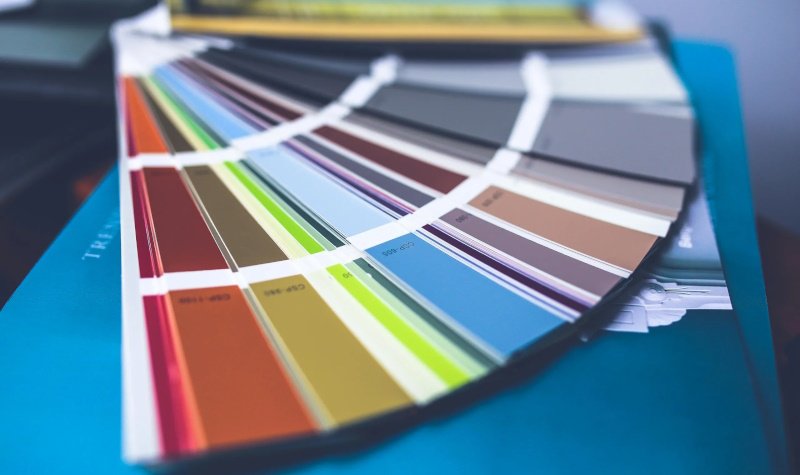
🌈 2025 Color Trends Worth Knowing
Paint manufacturers like Sherwin-Williams and Benjamin Moore release annual color forecasts that are genuinely worth checking out. For 2025, the big themes are:
| 🎨 Trend | Colors to Try | Best Rooms | Vibe |
|---|---|---|---|
| Earthy Warmth | Terracotta, Ochre, Warm Sand | Living Room, Dining Room | Cozy, grounded, natural |
| Calm Blues | Slate Blue, Dusty Teal, Soft Navy | Bedroom, Office | Serene, focused, sophisticated |
| Earthy Greens | Sage, Moss, Dill Green | Kitchen, Bathroom | Fresh, organic, trendy |
| Soft Muted Pinks | Blush, Rosepine, Dusty Rose | Nursery, Bedroom | Warm, romantic, welcoming |
| Classic Neutrals Reimagined | Warm White, Creamy Butter, Greige | Hallways, Open-Plan Areas | Timeless, clean, versatile |
They walked out with paint chips for a warm sage kitchen, a dusty navy bedroom, and a warm greige for the hallway. Total time spent on color selection: about two hours. Worth every minute.
🔍 Step 2: Preparing the Surface Like a Pro
Here’s where Jake got his first reality check. He assumed he could just crack open the cans and start rolling. Maria (smartly) had watched a Sherwin-Williams wall prep tutorial online and knew better.
A professional quality paint job starts — and often ends — with how well you prepare the surface.
Whether you’re painting drywall, wood, plaster, or previously painted surfaces, you need to start with a completely clean, smooth, dry slate. Any oils, dirt, grease, or grime left on the surface will cause bubbling, peeling, and uneven color absorption down the road.
🧹 The Surface Prep Checklist
| ✅ Task | Why It Matters | DIY Difficulty |
|---|---|---|
| Wash walls with TSP or degreaser | Removes grease, smoke residue, and grime that blocks paint adhesion | ⭐ Easy |
| Rinse thoroughly and dry completely | Chemical residue prevents paint from bonding properly | ⭐ Easy |
| Fill holes and cracks with spackle | Creates a smooth, professional surface | ⭐⭐ Moderate |
| Sand patched areas and rough spots | Eliminates bumps; improves paint adhesion | ⭐⭐ Moderate |
| Vacuum and wipe down dust | Dust sticks to wet paint and ruins the finish | ⭐ Easy |
| Apply primer (if needed) | Essential on new drywall, dark colors, stains, or porous surfaces | ⭐⭐ Moderate |
| Allow primer to cure fully | Rushing this step causes the topcoat to peel | ⭐ Easy (just wait!) |
For deep cleaning, use a degreaser like dish soap for regular walls, or a specialty product like TSP (trisodium phosphate) for heavy-duty jobs like kitchens.
Make sure you rinse thoroughly — any leftover chemical residue will interfere with paint adhesion just as much as the original dirt did.
🛡️ Step 3: Protect and Cover Everything
You only want paint to end up on the surface it’s intended for. This sounds obvious. And yet — Jake managed to get a streak of sage green across the white oak floor in the kitchen. Not a great moment.
The best strategy is to remove as much as possible from the room before you start: furniture, area rugs, knick-knacks, light fixture covers, outlet plates. If you can move it, move it.
Everything else gets covered with a light poly drop cloth or canvas dropcloths (canvas is better — they don’t slide around). Tape any trim, baseboards, window frames, and door casings with a high-quality painter’s tape — not the cheap stuff from the dollar store. The good painter’s tape (like FrogTape or 3M ScotchBlue) creates a sharp, clean line and removes easily without peeling the existing paint off your trim.
🛒 Essential DIY Painting Supply List
| 🧰 Supply | Recommended Brand/Type | Approx. Cost | Notes |
|---|---|---|---|
| High-quality painter’s tape | FrogTape or 3M ScotchBlue | $8–$15/roll | Don’t skip on quality here |
| Canvas drop cloth | 9’x12′ canvas | $20–$35 | Better than plastic — doesn’t slip |
| Angled sash brush (2.5 inch) | Purdy or Wooster | $10–$20 | For cutting in edges and trim |
| 9-inch roller frame + covers | Standard nap (3/8 for smooth walls) | $15–$25 | Buy extra covers |
| Extension pole | 4–8 ft adjustable | $15–$30 | Critical for ceilings and high walls |
| Paint tray + liners | Standard metal tray | $5–$10 | Liners make cleanup fast |
| Spackle + putty knife | DAP or 3M Patch Plus Primer | $8–$15 | For holes and wall repairs |
| Sandpaper (120 + 220 grit) | 3M Pro Grade | $5–$10 | For sanding patches and glossy surfaces |
| TSP cleaner or degreaser | Krud Kutter or Savogran TSP | $8–$12 | For pre-paint wall cleaning |
| Primer | Zinsser BIN or KILZ Original | $20–$35/gallon | Use on new drywall, stains, dark colors |
| Interior latex paint | Benjamin Moore Regal or Sherwin Emerald | $50–$85/gallon | Buy 10% more than you think you need |
💰 Jake’s total supply cost for four rooms: approximately $340. That doesn’t include the paint itself. Once you factor in four gallons of quality paint (~$240), his total materials cost came in around $580 for the whole house. Compare that to what Maria’s contractor quote came back as — and you’ll see the trade-off in the next section.
⚖️ Step 4: The Big Decision — DIY or Hire a Painting Contractor?
Jake got three contractor quotes ranging from $2,200 to $3,100 for their four-room project. His DIY total came out to around $820 (materials + two weekend rentals of a pressure washer).
That’s a potential savings of $1,400–$2,300. Significant money. But is it always the right call?
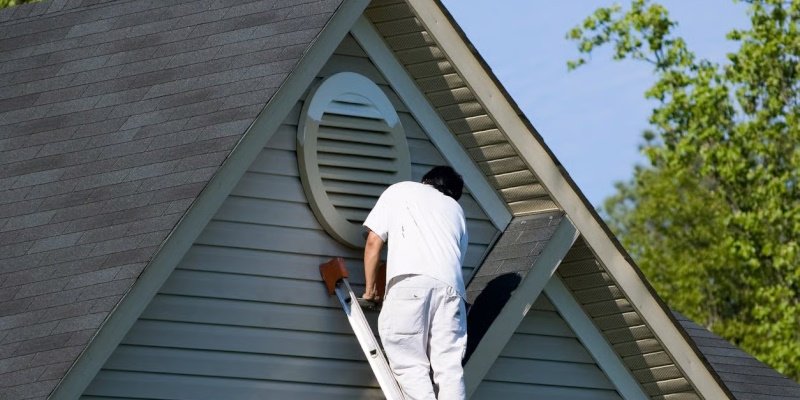
Photo courtesy: Garden State Brickface and Siding
📊 DIY vs. Contractor: Full Comparison Chart
| Factor | 🔨 DIY | 👷 Hire a Contractor |
|---|---|---|
| Average Cost (4 rooms, 1,400 sq ft) | $600–$900 (materials only) |
$2,200–$3,800 (labor + materials) |
| Time Required | 2–4 weekends (full days) | 3–5 business days |
| Quality of Finish | Good to very good (with practice) | Excellent, professional grade |
| Skill Required | Moderate — prep skills matter most | None from homeowner |
| Physical Effort | High — back, knees, arms will feel it | Zero for homeowner |
| Risk of Mistakes | Moderate (drips, streaks, missed spots) | Low (insured, experienced) |
| Equipment Included | Must buy or rent everything | Contractor brings all tools |
| Flexibility | Full control over schedule and color | Requires scheduling in advance |
| High Ceilings / Complex Areas | ⚠️ Risky without scaffolding | Standard service, fully equipped |
| Cleanup | Your responsibility | Included in service |
| Warranty / Redo Policy | None — you’re on your own | ✅ 1–3 year labor warranty |
| Best For | Small rooms, budget-conscious, free time, skill available | Large homes, high ceilings, busy schedules, complex surfaces |
✅ DIY Painting: Pros & Cons
| ✅ PROS | ❌ CONS |
|---|---|
| 💰 Significant cost savings — 50–70% less than hiring out | ⏱️ Takes far longer than expected — plan for multiple weekends |
| 🎨 Complete creative control over colors, finish, and technique | 😓 Physically exhausting — especially ceilings and prepping walls |
| 🏆 Deep sense of pride and accomplishment when it’s done | 🪣 Easy to make costly beginner mistakes (drips, streaks, bleeding tape) |
| 📅 Work on your own schedule, pause and resume as needed | 🛒 Upfront cost of tools and supplies adds up fast |
| 📚 Builds skills for future projects in your home | ⚠️ No warranty — if you mess up, you start over at your own expense |
| 🤝 Can be a fun project to do with a partner or friends | 🏗️ High ceilings and two-story rooms are genuinely dangerous without proper gear |
👷 Hiring a Contractor: Pros & Cons
| ✅ PROS | ❌ CONS |
|---|---|
| 🌟 Professional, flawless finish — especially on tricky surfaces | 💸 Significantly more expensive — $2–$6 per square foot in 2025 |
| ⚡ Fast — a two-person crew completes a room in 4–6 hours | 📅 Requires scheduling — good contractors book weeks out |
| 🔒 Fully insured — any damage to your property is covered | 🚪 Strangers in your home for multiple days |
| 🛡️ Warranty on labor — if the finish fails, they come back and fix it | 🎨 Less direct control over small decisions in the moment |
| 🧹 They handle all cleanup — you just come home to fresh walls | 🔍 Must vet contractors carefully to avoid low-quality work |
| 🏗️ Equipped for high ceilings, stairwells, and exterior work | 📋 Getting multiple quotes takes time and effort upfront |
🚨 The 9 Most Common DIY Painting Mistakes (And How To Avoid Them)
Jake made a few of these. We’re sharing them here so you don’t have to learn the hard way.
| # | 😬 Mistake | 💡 How to Avoid It |
|---|---|---|
| 1 | Skipping wall prep entirely | Always clean, patch, sand, and prime. Period. |
| 2 | Using cheap brushes and rollers | Invest in Purdy or Wooster — quality tools make a visible difference |
| 3 | Not “cutting in” before rolling | Use an angled brush to edge along trim, ceilings, and corners first |
| 4 | Applying paint too thick | Multiple thin coats beat one heavy coat every single time |
| 5 | Applying second coat too soon | Let each coat fully cure — usually 2–4 hours depending on humidity |
| 6 | Removing painter’s tape too late | Pull tape off while paint is still slightly tacky for a clean edge |
| 7 | Skipping primer on patched areas | Patches absorb paint differently — spot prime to avoid “flashing” |
| 8 | Painting in cold or humid conditions | Ideal conditions: 50–85°F, below 70% humidity |
| 9 | Not buying enough paint | Calculate square footage and add 10% buffer — always buy extra |
⏱️ How Long Will It Actually Take?This is where most optimistic DIYers (hi, Jake) get blindsided. Here’s a realistic time breakdown for a standard 12×12 bedroom: |
| Task | ⏱️ DIY Time | 👷 Pro Time (2-person crew) |
|---|---|---|
| Move furniture + protection setup | 1–2 hours | 30–45 min |
| Wall cleaning + prep | 2–3 hours | 1 hour |
| Patching + sanding + priming | 2–4 hours + dry time | 1–2 hours + dry time |
| Taping trim and edges | 1–2 hours | 30 min |
| Painting (2 coats) | 3–5 hours | 2–3 hours |
| Cleanup + removing tape | 1 hour | 30 min |
| TOTAL | 10–17 hours (full weekend) | 4–6 hours |
Jake’s counter-point: But they got it done. Both rooms. And Maria admitted the bedroom looked incredible when they were finished. It took them a full Saturday plus Sunday morning, but they did it — together. That, too, counts for something.
💵 Real Cost Breakdown: What Jake & Maria Actually Spent |
| Item | DIY Cost (Jake) 🔨 | Contractor Quote (Maria’s Research) 👷 |
|---|---|---|
| Paint (4 gallons quality latex) | $240 | Included in quote |
| Primer | $55 | Included |
| Brushes, rollers, trays, tape | $85 | Included |
| Drop cloths + poly | $40 | Included |
| Spackle, sandpaper, TSP cleaner | $35 | Included |
| Labor cost | $0 (their own time) | $1,800–$2,600 (estimated) |
| Touch-up paint (leftover) | Had extra — free | May need to purchase separately |
| TOTAL | ~$455 | $2,200–$3,100 |
✅ Bottom line: Interior rooms at standard height? Jake was right — DIY is very doable and very worth it financially. Exterior, high ceilings, complex millwork? Maria was right — bring in a pro.
🔎 How To Vet and Hire a Painting Contractor
If you decide to hire out part or all of your project, don’t just go with whoever quotes the lowest price. Maria learned this when she almost hired a guy who had no insurance and showed up to the estimate with a dried paint roller still in his hand from a previous job.
| ✅ Vetting Checklist | What To Look For |
|---|---|
| Licensed and insured | Ask for proof — general liability + workers’ comp at minimum |
| Written itemized quote | Should specify: prep work, primer, number of coats, paint brand, cleanup |
| Local references | Ask for 2–3 recent local clients you can call or text |
| Online reviews | Google Reviews, Angi, HomeAdvisor — look for pattern, not just score |
| Warranty offered | Reputable contractors offer 1–3 year labor warranty on interior work |
| Prep work included | Confirm they do their own cleaning, patching, and priming |
| Payment terms | Never pay more than 10–20% upfront; balance on completion |
💬 Frequently Asked Questions (FAQs) |
❓ Do I need to prime before painting?
Not always — but more often than you think. Primer is essential on new drywall (it absorbs paint like a sponge without it), on heavily patched areas (to prevent “flashing” — dull spots where the patch shows through), when going from a dark color to a lighter one, and over stains like water damage, smoke, or grease. Benjamin Moore’s wall prep guide covers this in excellent detail.
❓ How much paint do I need?
A standard gallon of quality interior paint covers approximately 350–400 square feet with one coat. To calculate: measure the perimeter of the room, multiply by ceiling height, subtract windows and doors, then divide by 350. Always buy 10% more than your calculation — you’ll need it for touch-ups.
❓ What’s the best type of paint finish for interior walls?
Eggshell or satin are the most popular choices for living rooms and bedrooms — they’re easy to wipe clean without being as shiny as semi-gloss. Use flat/matte for ceilings. Use semi-gloss or gloss for trim, doors, and high-moisture areas like kitchens and bathrooms.
❓ How long should I wait between coats?
Most quality interior latex paints require 2–4 hours between coats under ideal conditions (70°F, below 50% humidity). Read the label — some premium paints like Sherwin-Williams Emerald specify a minimum recoat time. Don’t rush this. Applying a second coat too soon is one of the most common causes of peeling paint.
❓ When should I pull the painter’s tape off?
Pull the tape while the final coat is still slightly tacky — not wet, not fully dry. Pull slowly at a 45-degree angle away from the painted surface. Waiting until the paint is bone dry causes the tape to bond too strongly and can pull chunks of paint off with it.
❓ Can I DIY paint over wallpaper?
Technically yes, but it’s generally not recommended. Seams show through, moisture can loosen the wallpaper, and you may end up with a bigger problem than you started with. The better move is to remove the wallpaper first — it’s a whole project in itself, but the result is worth it.
❓ How do contractors charge — by the hour or by the room?
Most professional painters charge by the square foot for larger projects or by the room for smaller jobs. In 2025, expect to pay $2–$6 per square foot for interior painting, with the national average room cost running between $371 and $1,011 according to Thumbtack’s 2025 data. Always get at least three written quotes.
❓ How do I avoid brush marks and roller texture?
Use a high-density foam roller for super-smooth walls, always roll in a “W” or “N” pattern, keep a wet edge to avoid lap marks, and avoid overworking the paint. For brush marks in cut-in edges, feather the paint out while it’s still wet using long, smooth strokes parallel to the wall.
🌟 Jake and Maria’s Final Verdict |
Jake painted all four interior rooms himself with Maria’s help — a living room, bedroom, kitchen, and hallway. Total cost: $455 in materials. Time investment: two full weekends.
The finish? Genuinely beautiful. Not perfect — there are a couple spots in the hallway where the tape bled slightly — but 95% of it looks like a professional did it.
For the exterior of their home — two stories, detailed wood trim around six windows, and a wraparound front porch — they hired a contractor.
Cost: $4,200. Time: four business days. The finish: absolutely flawless, with a three-year labor warranty.
|
🗣️ “Would I do it again?” Jake says. “The inside, absolutely. The outside? I’m not getting on that ladder.” 😄 Maria laughs. “I told him so. On both counts.” |
🏁 Your Pre-Painting Project Checklist: The Complete Summary |
| Phase | Task | DIY ✅ / Pro 👷 |
|---|---|---|
| Planning | Choose color scheme and get paint samples | ✅ DIY |
| Planning | Measure rooms and calculate paint quantity | ✅ DIY |
| Planning | Decide: DIY or contractor (use comparison chart above) | ✅ DIY |
| Prep | Clear and protect room — move furniture, cover floors | ✅ DIY (even if hiring pro) |
| Prep | Clean walls thoroughly (TSP or degreaser) | ✅ DIY or 👷 Pro |
| Prep | Patch holes, cracks, nail pops with spackle | ✅ DIY or 👷 Pro |
| Prep | Sand patched areas, remove all dust | ✅ DIY or 👷 Pro |
| Prep | Apply primer where needed | ✅ DIY or 👷 Pro |
| Prep | Tape trim, outlets, window frames | ✅ DIY or 👷 Pro |
| Painting | Cut in edges with angled brush | ✅ DIY or 👷 Pro |
| Painting | Roll walls (first coat) | ✅ DIY or 👷 Pro |
| Painting | Allow full cure time between coats | ✅ Both |
| Painting | Apply second coat | ✅ DIY or 👷 Pro |
| Finishing | Remove tape while slightly tacky | ✅ DIY or 👷 Pro |
| Finishing | Touch up edges and missed spots | ✅ DIY or 👷 Pro |
| Finishing | Clean brushes, store leftover paint, replace fixtures | ✅ DIY |
🎯 Final Thoughts: The Best Painting Project Is a Prepared One
Whether you’re Jake-confident and ready to DIY the whole thing, or Maria-practical and ready to hire the right professional for the right job, one truth holds no matter what: the quality of your prep work determines the quality of your finish.
Skip the prep, and even the most expensive paint applied by the world’s best painter will fail. Do the prep right, and even a first-timer can produce work they’re genuinely proud of.
Take your time. Make a plan. Buy the good tape. Clean the walls. And don’t let your 4-year-old anywhere near an open paint can. (Ask Jake. Just ask him.)
Good luck with your project. Your walls are waiting. 🎨🏡
📚 Helpful Resources & Further Reading
🔗 Sherwin-Williams: How to Prep Walls for Painting
🔗 Benjamin Moore: Complete Wall Preparation Guide
🔗 Sherwin-Williams 2025 Color of the Year
🔗 Benjamin Moore 2025 Color Trends
🔗 Thumbtack: 2025 Cost to Paint a Room
🔗 8 Factors: DIY vs. Hiring a Professional Painter